
Mastering practical tips for making a tight flight connection can save your entire vacation when an inbound delay threatens your itinerary. Tips for Making a Tight Flight Connection We all know that cold dread when your first plane lands thirty minutes late and the departure screen shows your next flight boarding across the airport. Heart pounding, you calculate the sprint distance between terminals while hopelessly stuck behind slow moving passengers grabbing overhead bags.
Study Airport Layouts and Concourse Maps Before Takeoff
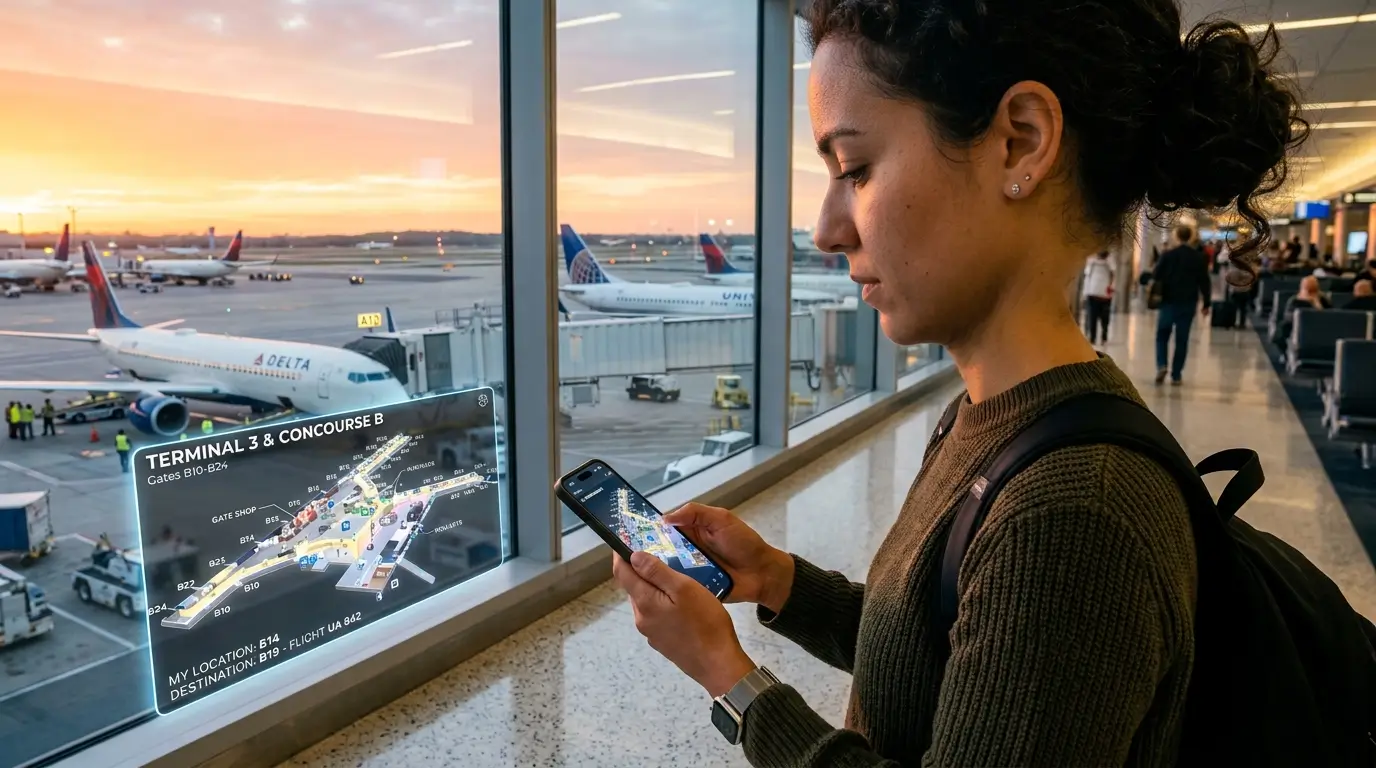
Downloading terminal maps to your phone while you still have strong Wi-Fi at home removes half the confusion. Sprawling hubs like Atlanta, Chicago O’Hare, or Frankfurt function like miniature cities. Tips for Making a Tight Flight Connection You must know whether your connecting concourse requires riding an automated people mover train, walking through underground tunnels, or taking a dedicated inter-terminal bus.
Pull up your airline app or a tracker like Flighty to inspect the hub layout before you take off. Tips for Making a Tight Flight Connection Familiarize yourself with the general layout so you can orient your direction the instant you step off the jet bridge. Travelers waste critical minutes staring at overhead directory signs trying to figure out which direction Concourse D is located. When you already know the terminal architecture, your feet start moving toward your gate the second you enter the concourse.
Book Seats Toward the Front of the Main Cabin
Seat selection plays a massive role in how quickly you reach the terminal hallway. Tips for Making a Tight Flight Connection Sitting in row 32 means waiting fifteen to twenty minutes just to reach the exit door while passengers struggle to pull heavy luggage out of bins. Spending a few extra dollars to secure a seat in the forward economy cabin buys you invaluable buffer time during a short layover.
Always pick an aisle seat whenever you book a tight transfer. An aisle seat allows you to pop up immediately when the seatbelt sign chimes and pull your bag down before the aisle clogs up. Tips for Making a Tight Flight Connection Being among the first twenty people off the plane gives you a clear runway down the jet bridge before airport crowds slow you down.
Travel Carry-On Only and Skip Checked Baggage
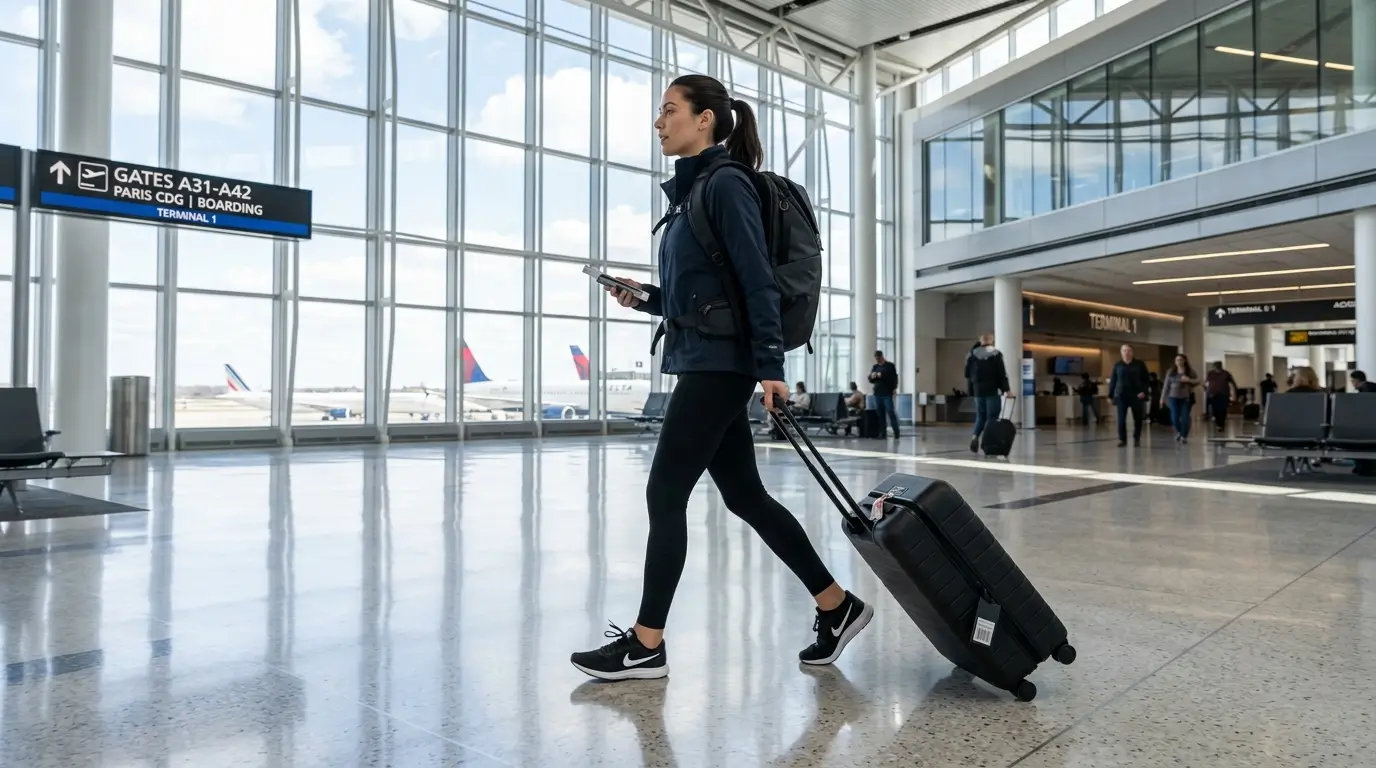
Checking a bag during an itinerary with a forty-five-minute connection creates an enormous point of failure. Luggage handlers must sort and move hundreds of bags across different ramp carts, and tight turnarounds often result in luggage missing the transfer entirely. Tips for Making a Tight Flight Connection Packing everything into a compliant roller suitcase and a personal backpack keeps your gear attached to your person at all times.
Carrying your own luggage lets you sprint up stairwells, dart across moving walkways, and jump straight onto your onward flight without stress. You will not have to wait around baggage claim or file lost luggage reports if your incoming flight runs behind schedule. Tips for Making a Tight Flight Connection Relying solely on hand luggage remains one of the simplest tips for making a tight flight connection that guarantees your wardrobe arrives with you.

Essential Tips for Making a Tight Flight Connection in the Air
Preparing for a rapid exit during the final twenty minutes of your flight makes deplaning fast and seamless. Tips for Making a Tight Flight Connection Use the descent phase to pack away your tablet, wrap up charging cords, zip your jacket, and tie your sneakers securely. Place your phone in your pocket with the airline boarding pass saved directly to your lock screen.
If the aircraft provides in-flight Wi-Fi, refresh your flight status right before the descent begins to check your inbound arrival gate and outbound departure gate. Tips for Making a Tight Flight Connection Hub gates change constantly due to airfield traffic, so relying on the paper boarding pass printed hours earlier can send you sprinting toward the wrong side of the facility. Locking the correct gate number into your head before touchdown eliminates hesitation once you hit the jet bridge.
Communicate Directly with Flight Attendants Before Landing
Speaking with the cabin crew before landing can occasionally open up practical shortcuts on the ground. Politely mention your short connection window while the flight attendants collect remaining trash during initial descent. While crew members cannot hold an entire plane on the runway for a single traveler, they can look up updated gate data on their crew devices.
On major domestic carriers, flight attendants will sometimes make an announcement asking seated travelers to remain in their seats upon arrival so passengers with urgent connections can exit first. In certain high-risk hub connections, ground personnel might even meet you on the jet bridge with a ground transfer cart to speed up your journey across large concourses.
Move Through Terminal Corridors with Purpose
Walking efficiently through busy airport corridors requires deliberate routing rather than running blindly into crowds. Stick to the edges of the main concourse walkways where pedestrian traffic moves faster and passengers are not crowding around food kiosks. Keep your head up to spot bottlenecks early so you can detour around slow-moving tour groups or families with strollers.
Also Read: Best Airport Lounges for Economy Travelers 2026
Jogging on flat ground is often faster than stepping onto moving walkways where stationary passengers block both sides with luggage. Keep your boarding pass displayed on your phone screen so you do not waste time digging through pockets at the gate podium. If you spot a customer service cart heading toward your concourse with open seats, ask the driver for a quick ride.
Speed Up International Transit and Customs Screening
International transfers require strict time management because border control and mandatory security re-screening eat into tight margins. Enrolling in automated clearance services or utilizing dedicated lanes helps cut down on security wait times. Having documents ready in your hand ensures you move past immigration checkpoints without unnecessary delays.
If you face a massive queue at customs or security and your boarding time is ticking away, locate a queue manager immediately. Politely show your boarding pass showing that your flight departs within minutes, and staff will often direct you into priority screening lanes to help you make the flight. Keep your passport, declarations, and ongoing ticket ready to hand over so officers can process your clearance smoothly.
Track Real-Time Gate Changes and Backup Routes
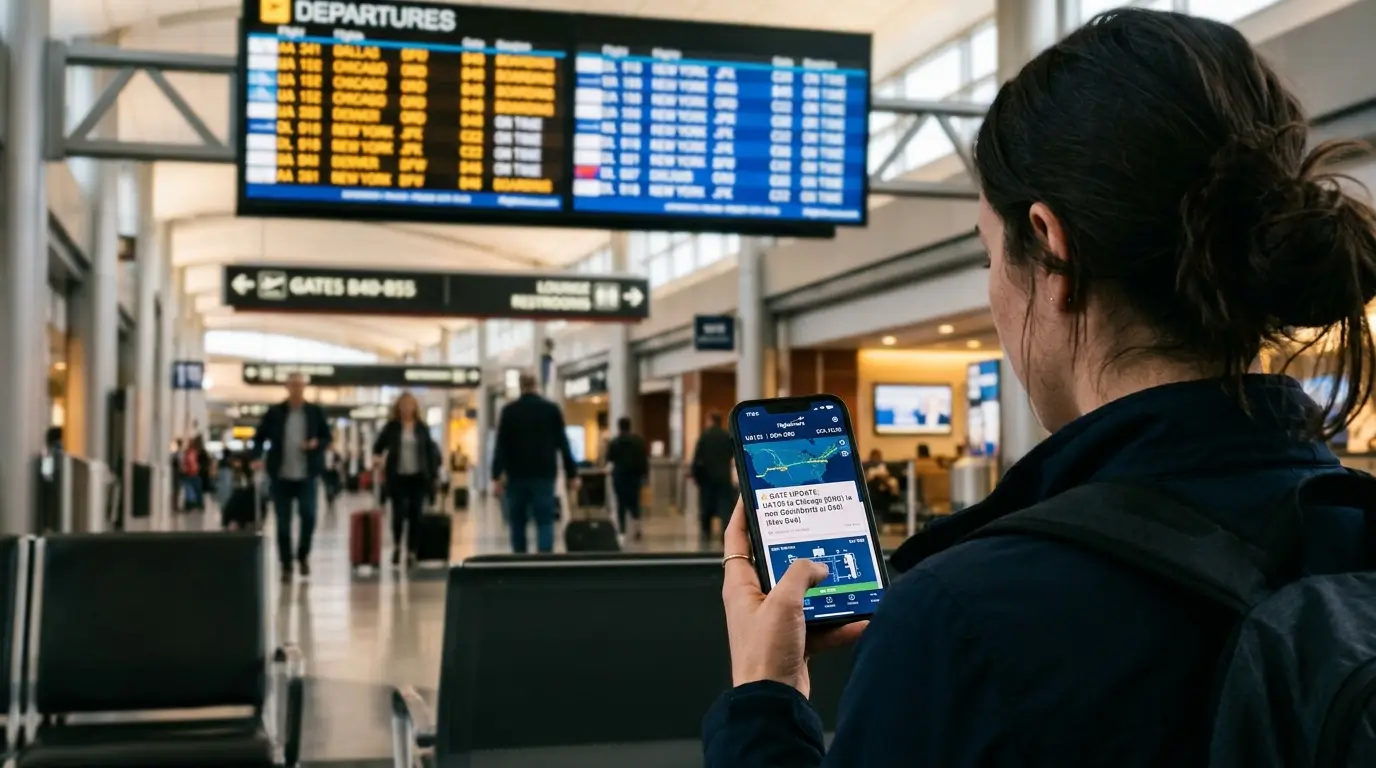
Airlines frequently change gate assignments while your incoming plane sits on the taxiway waiting for an open parking spot. Utilizing live flight apps like Flight Aware provides push notifications about gate swaps, departure runway queues, and boarding countdowns before airport monitors update.
Remembering these practical tips for making a tight flight connection also means preparing for unexpected closures. Check your airline app for the next departing flight to your destination while you walk toward your current gate. Knowing the departure time of the next flight gives you immediate leverage to rebook if you arrive right as the boarding door latches shut.
Know Your Rights and Rapid Rebooking Protocols
Understanding airline rebooking policies saves valuable time if your inbound flight arrives too late for a transfer. If you booked your flights under a single confirmation code, the airline bears responsibility for getting you to your final stop. Open your carrier app immediately upon landing if you suspect a missed connection, as automated systems often assign you new seats on the next available leg.
Head directly to a customer service desk inside the secure concourse area rather than exiting back out to the main ticketing lobby. Customer service agents stationed airside have direct access to passenger manifests and seat inventory across partner airlines. Approaching the agent calmly with specific alternative flight numbers ready speeds up your rebooking process significantly.
Frequently Asked Questions
What is considered a risky connection time for domestic flights?
Any domestic layover under forty-five minutes is risky at large hub airports. Airfield taxi delays, gate congestion, or slow deplaning can easily eat up thirty minutes. Aim for at least sixty to seventy-five minutes when flying through massive hubs to give yourself a comfortable safety buffer.
Do airlines hold connecting flights for delayed passengers?
Airlines rarely hold flights for single passengers because ground delays disrupt network schedules. However, if a large group of passengers from a delayed incoming flight is connecting to the same onward plane, airline operations might hold the boarding door open for five to ten extra minutes.
How do international layovers differ during tight connections?
International connections usually require clearing border control, retrieving luggage, passing customs, and clearing airport security again. These procedures require significantly more time than domestic transfers. You should always aim for a minimum transfer window of two to three hours on international itineraries.
What are the top tips for making a tight flight connection when delays happen?
Inform the flight attendants before landing, study the terminal layout in advance, and move directly to your gate without stopping for food. Tips for Making a Tight Flight Connection Check your airline app immediately during the walk so you know whether your departure gate changed or if boarding has already started.
Will the airline pay for a hotel if I miss my connection?
Airlines generally provide hotel vouchers and meal assistance if a missed connection results from mechanical issues, crew scheduling delays, or airline-controlled disruptions. Tips for Making a Tight Flight Connection If the delay is caused by severe weather or air traffic control holds, the airline is not legally required to cover hotel expenses.
Conclusion
Making a short layover requires quick thinking, sharp preparation, and steady footwork. Tips for Making a Tight Flight Connection Once you learn the terminal layout in advance and travel light, you can shave precious minutes off your transfer and reach your gate before the boarding door clicks shut. What is the tightest flight connection you have ever managed to make?




One comment on “Tips for Making a Tight Flight Connection 2026”